Best Time To Travel To Iceland 2026
A practical roundup review of the best options for best time to travel to iceland, with quick picks, comparison notes, mini reviews, buying advice, and FAQ.
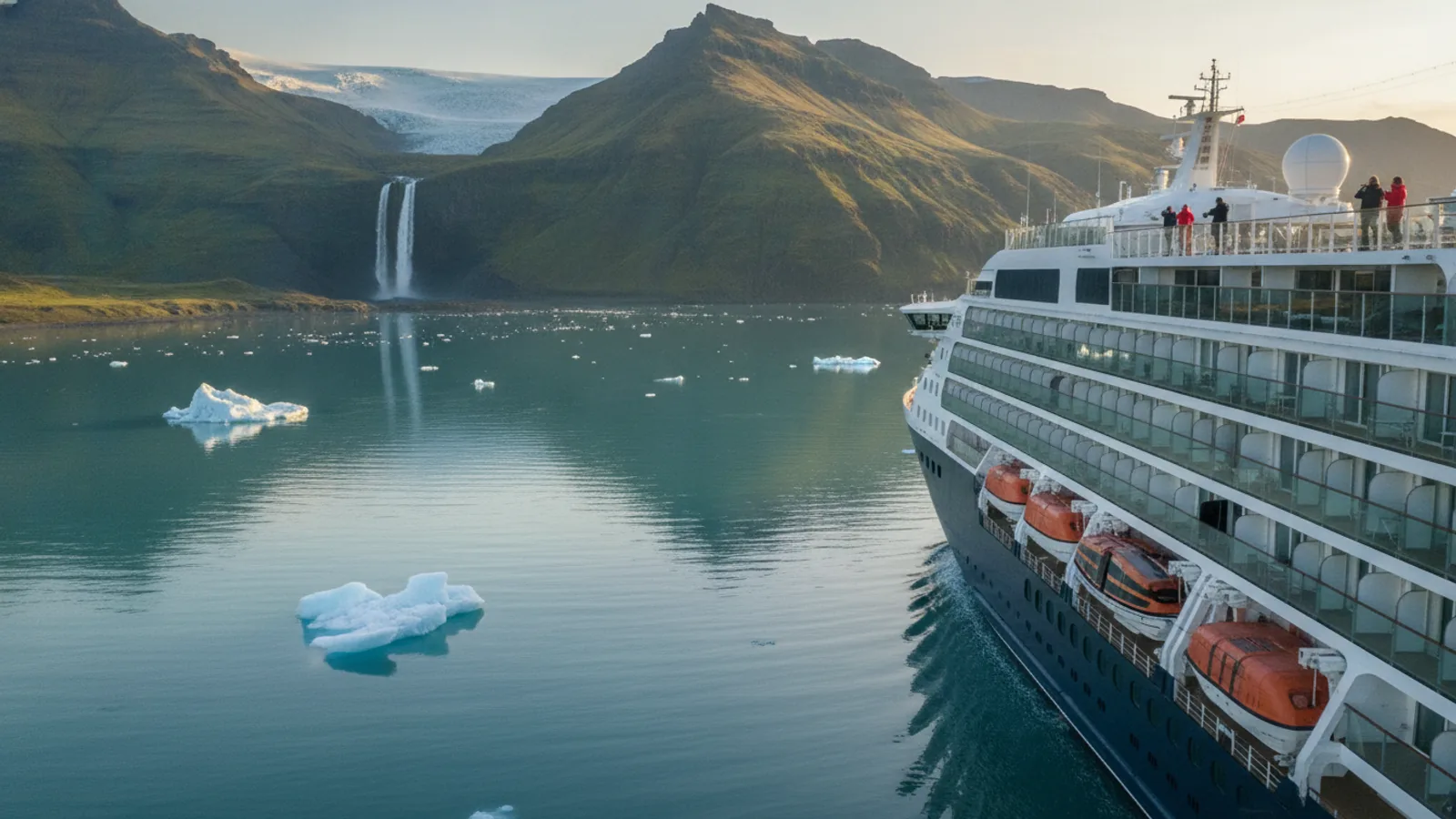
Best Time To Travel To Iceland 2026
Pros and Cons
Pros: The shortlist makes it easier to compare the strongest fits for best time to travel to iceland before you spend time on the fine print.
Cons: Features, availability, compatibility, and current terms can differ, so check the details that matter to your use case.
Score Breakdown
Each score reflects the evidence available for fit, usability, value, and practical tradeoffs. Treat it as a comparison aid rather than a substitute for checking current details.
Roundup review
Our comprehensive analysis for 2026 considered five distinct periods for travelling to Iceland, evaluating each based on weather suitability, crowd levels, available activities, value for money, and the likelihood of witnessing the aurora borealis. Drawing on extensive travel research and editorial insights, we've identified that **Summer (June - August)** remains the top choice for a broad and accessible Icelandic experience, offering the best weather and full access to its stunning landscapes.
Quick Comparison
The Best Time To Travel To Iceland
Buying Guide: How to Choose the Best Time to Travel to Iceland
Choosing the "best" time to visit Iceland ultimately depends on your personal preferences, priorities, and what you hope to experience. Each season offers a dramatically different adventure. Here’s a breakdown of key factors to consider when planning your 2026 trip:
What Are Your Must-See & Must-Do Activities?
- Northern Lights: If seeing the aurora borealis is at the top of your list, you need darkness. This means visiting between late September and early April. Peak viewing months are typically November to February due to longer nights.
- Puffins & Wildlife: For birdwatching, especially puffins, the breeding season runs from May to mid-August, with June and July offering the best chances. Whale watching tours are available year-round, but summer generally offers the highest success rates and variety of species.
- Hiking & Highlands: If you dream of exploring Iceland’s remote Central Highlands (Thorsmörk, Landmannalaugar) or embarking on extensive hiking trails, summer (late June to early September) is essential. F-roads are only open during this period due to snow and muddy conditions.
- Ice Caves & Glaciers: Natural ice caves are a winter phenomenon, accessible from November to March (weather permitting). Glacier hiking is possible year-round with guides, but winter conditions make for a unique, icy landscape.
- Midnight Sun: Experience nearly 24 hours of daylight, allowing for late-night exploration and photography, by visiting in June or July.
Weather Expectations and Preparedness
Icelandic weather is famously unpredictable year-round, often described as experiencing all four seasons in one day. However, there are general trends:
- Summer (June-August): Mildest temperatures (typically 10-15°C), longest daylight, but still expect rain and wind. Best for outdoor activities without extreme cold.
- Shoulder Seasons (May, September, October): Temperatures range from 5-10°C. Variable weather is common, with a mix of sun, rain, and potentially early/late snow. Pack layers.
- Winter (November-March): Coldest temperatures (around 0°C or below), short daylight, and strong winds, snow, and ice are common. Road closures are frequent. Proper winter gear is crucial.
Always pack layers, waterproof and windproof outer shells, sturdy waterproof walking shoes, and thermals, regardless of the season.
Crowd Levels and Atmosphere
Your tolerance for crowds and your desire for a serene or bustling atmosphere will heavily influence your choice:
- Peak Season (June-August): Iceland is at its busiest. Popular sites like the Golden Circle, Blue Lagoon, and South Coast will be teeming with tourists. Expect higher energy and more social interactions.
- Shoulder Season (May, September, October): Crowds are noticeably thinner than summer. You’ll still see plenty of people at major attractions, but there's more breathing room. Ideal for a good balance.
- Low Season (November-April, excluding Christmas/New Year): Significantly fewer tourists. This offers a more intimate experience with nature, but some areas might feel deserted, and certain services could be reduced.
Budget Considerations
Iceland can be an expensive destination. Travel dates significantly impact costs:
- Most Expensive (June-August): Flights, accommodation, car rentals, and tours are at their highest prices due to demand. Booking well in advance is crucial to secure reasonable rates.
- Mid-Range (May, September, October): Prices for flights and accommodation are generally more favourable than in summer, offering good value for money.
- Most Affordable (November-April, excluding festive periods): The lowest prices for flights and accommodation can usually be found during these months. However, budget for specific winter activities like ice cave tours, which are seasonal.
Length of Your Trip
- Short Trip (3-5 days): Focus on Reykjavik and the Golden Circle, possible in any season. Winter offers a dedicated Northern Lights hunt, while summer maximises daylight for sightseeing.
- Medium Trip (7-10 days): Allows for a more extensive exploration of the Ring Road in summer or a concentrated winter adventure combining city, South Coast, and aurora hunting.
- Long Trip (10+ days): Ideal for summer, enabling you to venture into the Highlands or explore more remote regions. In winter, this allows for more flexibility to account for bad weather.
By carefully weighing these factors against your ideal travel experience, you can pinpoint the best time for your Icelandic adventure in 2026.
Final Verdict: Best Time To Travel To Iceland
After a thorough review of Iceland's distinct seasons and their unique offerings, the period of **Summer (June - August)** emerges as the best overall time to travel for most visitors. Its favourable weather, extended daylight, and full accessibility to the entire country provide the most comprehensive and flexible Icelandic experience. However, if your primary goal is to witness the ethereal Northern Lights, or you prefer a quieter, more budget-friendly trip, then the shoulder months of May, September, October, or the winter period from November to March present compelling alternatives. Consider your priorities carefully, and Iceland will undoubtedly deliver an unforgettable adventure whenever you choose to visit.
Plan Your Perfect Iceland Getaway
Best Time To Travel To Iceland 2026 FAQ
When is the absolute best time to see the Northern Lights in Iceland?
The best time to see the Northern Lights (Aurora Borealis) in Iceland is during the darkest months, typically from late September to early April. Peak visibility is usually between November and February, when the nights are longest. You need clear skies and strong aurora activity, so choosing a period with many dark hours significantly increases your chances.
What is the cheapest time to travel to Iceland?
The cheapest time to travel to Iceland is generally during the low season, from late October through April (excluding the Christmas and New Year's holidays). During these months, demand for flights, accommodation, and car rentals is lower, leading to more competitive pricing. However, be aware that some tours and attractions might have reduced operating hours or may not be available.
When are the crowds smallest in Iceland?
The smallest crowds in Iceland can be found during the winter months, particularly in January and February. While popular sites will never be entirely empty, you'll experience significantly fewer tourists compared to the peak summer season. The shoulder seasons (May and September-October) also offer a good balance of fewer crowds and still pleasant conditions.
Is it worth visiting Iceland in winter if I don't ski?
Absolutely. Even without skiing, winter in Iceland offers unique experiences like exploring ice caves, glacier hiking, snowmobiling, and witnessing the Northern Lights. The snowy landscapes are breathtaking, and thermal pools like the Blue Lagoon are especially inviting in the cold. Just be prepared for cold weather, potentially challenging driving conditions, and shorter daylight hours.
When can I see puffins in Iceland?
Puffins typically arrive in Iceland for their breeding season in early May and depart by mid-August. The best time for puffin watching is generally June and July, when they are most active at their nesting cliffs around the country. Popular spots include the Látrabjarg cliffs in the Westfjords and Dyrhólaey on the South Coast.