How To Travel With Kids
A practical step-by-step guide to how to travel with kids, including preparation, instructions, common issues, tips, and next steps.

How To Travel With Kids
Travelling with children can feel like a monumental task, but with the right approach, it transforms from a challenge into a collection of your family's most cherished memories. This guide provides clear, practical steps for planning and executing a smoother, more enjoyable trip with your kids. Whether you're flying long-haul with a toddler or taking a weekend break with teenagers, our advice will help you prepare for the realities of family travel, ensuring everyone, including you, has a fantastic time.
Fast Answer
- Best approach: Plan your trip in meticulous detail, but build in plenty of flexibility to adapt to your children's needs and moods.
- Key mindset: Adjust your expectations. This is a family adventure, not a quiet, restorative escape. The goal is shared experience, not personal relaxation.
- Top priority: Involve your children in the planning process, no matter their age, to build excitement and give them a sense of ownership over the holiday.
- Packing rule: Pack half the clothes you think you'll need and twice the snacks.
Before You Start
Proper preparation is the single most important factor for a successful family holiday. Getting your documents, health checks, and essential bookings in order well in advance will prevent the vast majority of potential travel headaches. Think of this phase as building the foundation for a stress-free trip.
What You Need
- Valid Passports and Visas: Ensure every family member's passport is valid for at least six months beyond your return date. Check visa requirements for your destination and apply with plenty of time to spare.
- Comprehensive Family Travel Insurance: Do not travel without it. Ensure your policy covers all family members, your destination, and any planned activities. Check the excess and medical coverage details carefully.
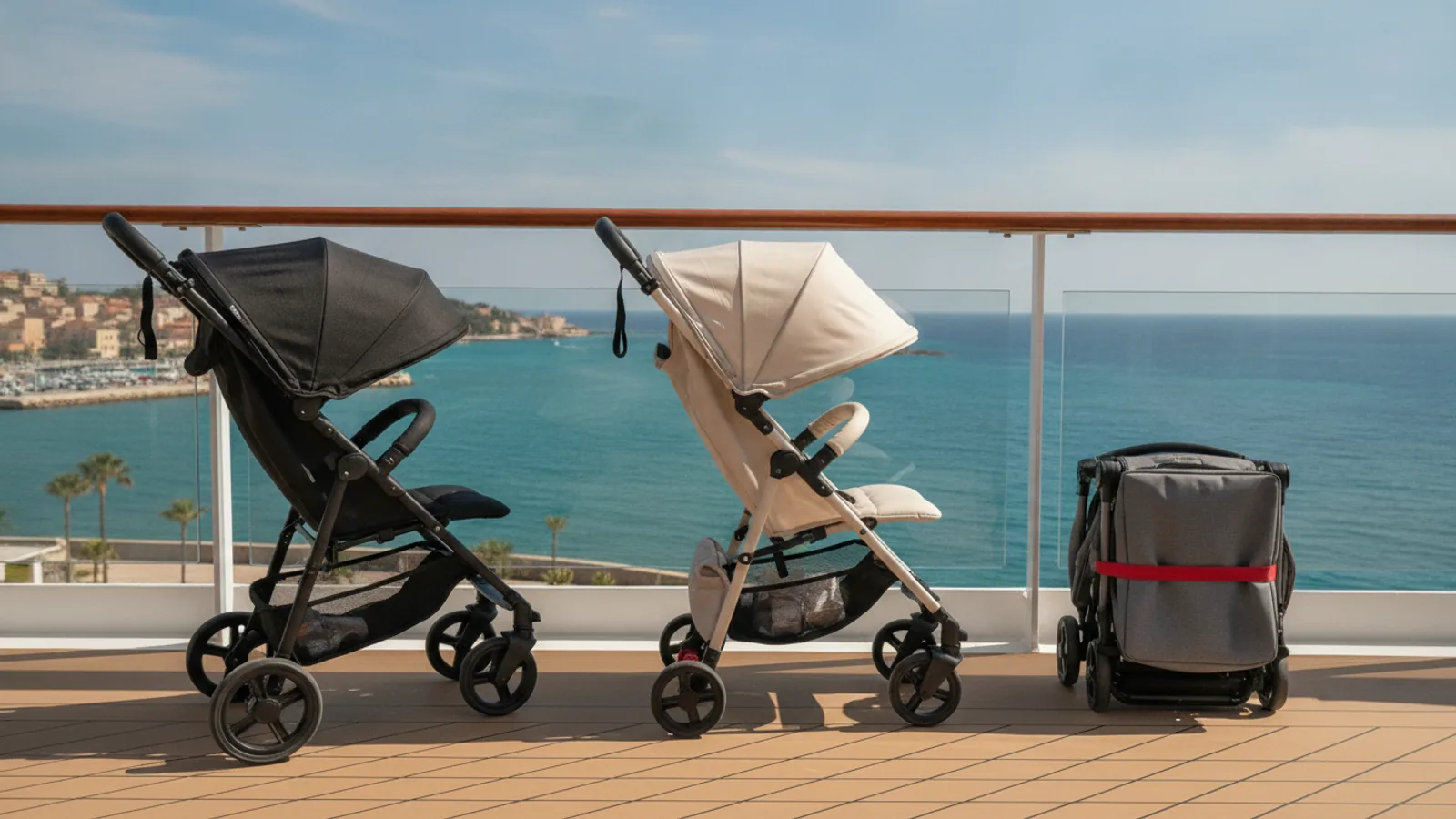
- Age-Appropriate Travel Gear: This could include a lightweight travel buggy, a baby carrier for navigating crowds, a portable travel cot, or a booster seat.
- A Well-Stocked Medical Kit: Prepare a small bag with child-friendly paracetamol or ibuprofen, plasters, antiseptic wipes, antihistamine for bites or allergies, and any personal prescription medications.
- Confirmed Bookings: Have digital and paper copies of all flights, accommodation, car hire, and transfer confirmations.
Safety, Timing, or Context Checks
- Government Travel Advice: Before booking and again before you travel, check the Foreign, Commonwealth & Development Office (FCDO) advice for your destination regarding safety and entry requirements.
- Health Precautions: Consult your GP or a travel clinic 4-6 weeks before your trip to discuss any recommended vaccinations or health precautions, such as malaria prevention.
- Airline and Airport Policies: Verify your airline's specific policies on luggage allowance for infants, carrying liquids (like formula or expressed milk), and using car seats on board. Check if the airport has family-friendly security lanes.
- Accommodation Suitability: Confirm with your hotel or rental that they can provide requested items like a cot or high chair. Use satellite views to check the property's proximity to busy roads or water.
Step-by-Step Instructions
Choose a Genuinely Family-Friendly Destination
The success of your trip starts with choosing the right place. 'Family-friendly' means more than just having a swimming pool. Consider the length of the flight or drive; a 10-hour flight might be too much for a toddler. Research destinations with easy transport, accessible healthcare, and a culture that is welcoming to children.
Think about the pace of life. A bustling city break with a packed itinerary can be overwhelming for little ones. Consider destinations like all-inclusive resorts, which minimise logistical stress, or self-catering villas and apartments, which offer more space and the flexibility to prepare your own meals for fussy eaters. Look for places with parks, beaches, and low-key attractions.
Plan and Book Key Logistics Around Your Kids
Once you have a destination, book your core travel components with your children's routines in mind. If possible, choose flight times that align with their sleep schedules. An overnight flight can be brilliant if your child sleeps well on planes, but a nightmare if they don't. A mid-day flight that avoids early morning starts or late-night arrivals is often a safe bet.
When booking accommodation, don't just look at photos. Read reviews from other families. Is the hotel on a steep hill? Is the apartment on the fourth floor with no lift? These small details matter hugely when you're carrying a child and luggage. Pre-book airport transfers and ensure they can provide the correct child car seats, or plan to bring your own.
Involve Your Children in the Planning Process
For children old enough to understand, involving them in the planning is a fantastic way to build positive anticipation and reduce anxiety about the unknown. Show them pictures of the hotel, the beach, or a special attraction. Look at a map together and trace your journey.
Give them small, manageable choices. For example, let them choose between visiting a zoo or a waterpark on one of the days. Allow them to pick out one or two small travel toys or a book for the journey. This sense of involvement makes them feel like active participants rather than just luggage being taken along for the ride.
Create a Master Packing List (and Stick to It)
Avoid last-minute panic-packing by creating a detailed list weeks in advance. A spreadsheet or a note-taking app is perfect for this. Create sections for each family member, plus categories for 'Carry-On,' 'Toiletries,' 'Medical,' and 'Documents.'
Lay everything out before it goes into the suitcase. This helps you visualise what you have and avoid duplication. Remember that you can often buy items like nappies and wipes at your destination, saving precious luggage space. Pack layers of clothing for everyone, as weather can be unpredictable. For a one-week trip, aim for 4-5 outfits per person that can be mixed and matched.
Pack a Powerful In-Transit 'Go-Bag'
Your carry-on bag is your lifeline during the journey. This bag should contain everything you need to handle common travel issues like delays, hunger, spills, and boredom. Do not check this bag under any circumstances.
Your go-bag must include: a full change of clothes for each child (and a spare top for you), essential medicines, more snacks than you think you'll need (non-messy options like breadsticks, fruit pouches, and cereal bars are ideal), an empty water bottle to fill up after security, wet wipes, and a portable charger for your devices. Crucially, this bag should also hold your entertainment arsenal: tablets with pre-downloaded shows, colouring books, stickers, and perhaps one or two small, new toys wrapped up to be revealed at a critical moment.
Navigate the Journey with Patience
On travel day, give yourself an enormous amount of extra time. Rushing creates stress, which children pick up on immediately. Arrive at the airport earlier than you think you need to. This allows for relaxed check-in, unhurried security checks (using the family lane where available), and time for a final toilet break and snack before boarding.
For car journeys, plan your route around potential stops. Aim to stop every 1.5 to 2 hours to let everyone stretch their legs. Look for service stations with play areas or pack a ball to kick around in a green space. Frame these stops as part of the adventure, not an inconvenience.
Manage Expectations and Routines on Arrival
The first 24-48 hours in a new place can be challenging as everyone adjusts. Don't plan any major activities for your arrival day. Keep it simple: find a local shop for essentials, have a low-key meal, and prioritise an early night.
While you're on holiday, try to maintain some semblance of your home routine, especially around sleep. A familiar bedtime story, a favourite cuddly toy, or a consistent nap time can provide a comforting anchor for a child in an unfamiliar environment. If you're dealing with jet lag, try to get onto the local time zone as quickly as possible by exposing everyone to daylight in the morning and keeping the room dark for sleep.
Quick Reference
| Situation | Use this | Why |
|---|---|---|
| Toddler meltdown on the plane | A new, small toy or a favourite snack. | Novelty and comfort are powerful tools for distraction and de-escalating stress. |
| Fussy eating in a new restaurant | Look for familiar 'safe' foods (bread, chips, pasta, fruit) and don't apply pressure. | A full tummy is more important than a gourmet experience. Forcing new foods creates anxiety. |
| Delayed flight or long queue | A tablet with pre-downloaded shows or a game of "I Spy". | Boredom is a key trigger for difficult behaviour. Having a pre-prepared entertainment plan is crucial. |
| Over-tired and grumpy kids | Schedule a "down day" with no fixed activities – just relaxing by the pool or in the apartment. | Rest and recovery are just as important as sightseeing for preventing family burnout. |
Common Problems When You Travel With Kids
Even with the best planning, things can go awry. Knowing how to handle common issues calmly is key.
- Illness: Minor illnesses are common. Your medical kit should handle most coughs, colds, and scrapes. Know the location of the nearest pharmacy and doctor at your destination. Your travel insurance will have a 24-hour helpline for more serious medical advice.
- Meltdowns and Tantrums: These are often caused by the 'big three': hunger, tiredness, or overstimulation. Try to pre-empt them with regular snacks, scheduled downtime, and not packing too much into one day. When a meltdown happens, stay calm, find a quiet space if possible, and acknowledge their feelings.
- Sleep Disruption: It's normal for sleep to be disturbed in a new place. Bring familiar items from home like their pillowcase or a special blanket. A portable blackout blind can be a lifesaver for making a bright room suitable for daytime naps and early nights.
- Lost Items: The heartbreak of a lost favourite toy is real. Take a photo of essential comforters before you go. For older kids, give them a small bag to be responsible for. Consider placing a contact information tag or a smart tracker on important bags or items.
Advanced Tips for Travelling With Kids
Once you've mastered the basics, these tips can elevate your family travel experience.
- Rent Bulky Gear: Instead of lugging a car seat, travel cot, and steriliser through the airport, look for baby equipment rental companies at your destination. They often deliver directly to your accommodation, saving you enormous hassle.
- Create a Travel Journal: For school-aged children, a simple notebook and some pens can become a treasured travel journal. Encourage them to draw pictures, write about their day, or stick in tickets and postcards. It keeps them engaged and creates a wonderful souvenir.
- Use Rider Switch/Child Swap Passes: At theme parks like Disney, this service allows one parent to wait with a child who is too small to ride, while the other parent queues. The first parent rides, then they swap with the second parent who can go on the ride without having to queue all over again.
- Learn a Few Words of the Local Language: Teaching your children to say 'hello,' 'please,' and 'thank you' in the local language is not only polite but also helps them connect with the place and its people in a more meaningful way.
How To Travel With Kids FAQ
What is the best age to start travelling with a child?
There's no 'perfect' age, as each stage has its pros and cons. Newborns (once cleared by a doctor) are very portable and sleep a lot, but require a lot of gear. Toddlers are curious but require constant supervision. School-aged children are often the easiest, as they are more independent and can be fully engaged in the trip. The best time to start is whenever you feel ready.
How do I handle car seats on planes?
Policies vary by airline, so you must check with your carrier. Generally, you can check in your car seat for free. If you want to use it on board, you must have a seat approved for airline use (check for a sticker) and you will usually need to have purchased a separate seat for your child (even if they are under two).
What are the essential items for a baby's carry-on bag?
For a baby, your carry-on should include: enough nappies, wipes, and formula/food for the journey plus at least 24 hours of potential delays; at least two changes of clothes; a changing mat; Calpol or another infant pain reliever; teething gel; a favourite toy; and a blanket.
How can I save money when travelling with my family?
Consider travelling in the shoulder seasons (just outside of school holidays) for better prices. Self-catering accommodation can be much cheaper than hotels and saves money on eating out. Look for free attractions like parks, beaches, and museums with free entry for children. Packing your own snacks and drinks for day trips also cuts down on daily costs.
Is travel insurance really necessary for children?
Yes, absolutely. It is essential. Medical emergencies abroad can be incredibly expensive. A comprehensive family policy is a non-negotiable part of your travel budget. It provides peace of mind and financial protection against illness, accidents, cancellations, and lost baggage.
Final Checklist for Travelling With Kids
Before you walk out the door, run through this final checklist.
- Passports, visas, tickets, and all travel documents are in your hand luggage.
- The in-transit 'go-bag' is packed with snacks, entertainment, and a change of clothes for everyone.
- All electronic devices are fully charged, and content is downloaded for offline viewing.
- Essential medications, including children's pain relief, are in your carry-on luggage, not in the hold.
- You have both local currency and a suitable card for payments at your destination.
- Home arrangements are sorted: pets are cared for, and a neighbour has your contact details.
- You have confirmed all bookings one last time and checked for any last-minute changes to your flight.
- You have taken a deep breath and reminded yourself that the goal is to make memories, not to have a perfect trip.