Best Time To Travel To Costa Rica 2026
A practical roundup review of the best options for best time to travel to costa rica, with quick picks, comparison notes, mini reviews, buying advice, and FAQ.
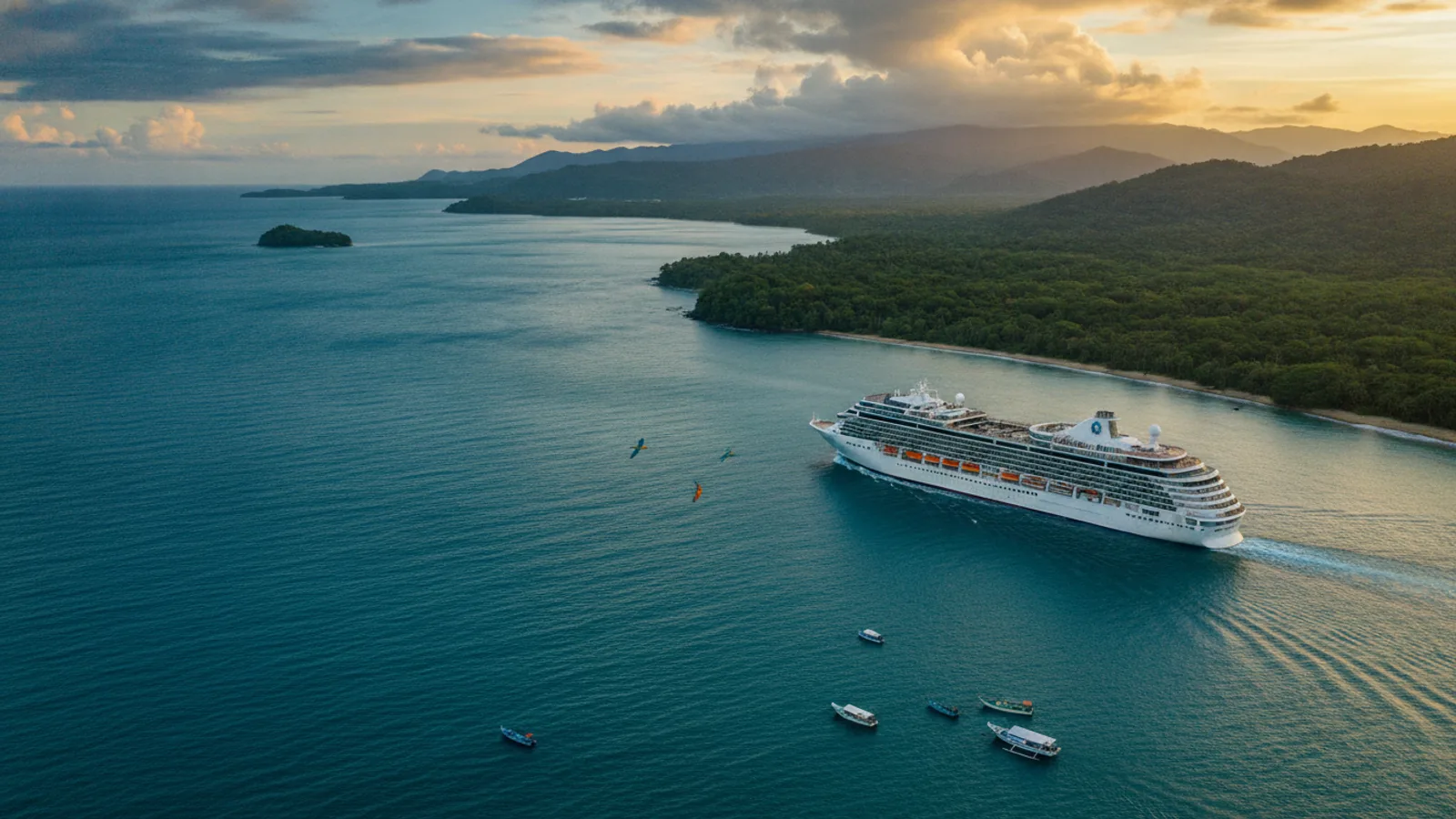
Best Time To Travel To Costa Rica 2026
Roundup review
To determine the best time to travel to Costa Rica, we analysed the country's distinct microclimates, seasonal pricing tiers, and wildlife migration patterns across five key travel periods. Our evaluation, based on weather reliability, crowd levels, activity access, and value, found that the Dry Season from mid-December to April offers the most dependable and enjoyable experience for first-time visitors and cruise passengers, making it our top pick for 2026.
Quick Comparison
Dry Season
- Maximum sunshine
- Ideal for beaches & hiking
- Most tour availability
Shoulder Season
- Excellent value
- Lush, green landscapes
- Fewer crowds
Summer "Veranillo"
- Fits school holidays
- Good wildlife viewing
- A dry spell in rainy season
Caribbean Turtle Season
- Unforgettable wildlife
- Unique to Caribbean coast
- Low season prices
Pacific Surf Season
- World-class waves
- Adrenaline-focused trip
- Quieter inland
The Best Times To Visit Costa Rica
- The Dry Season (Mid-December to April) - Best Overall
- The Shoulder Season (May, June & November) - Best for Value & Wildlife
- The "Veranillo" (July & August) - Best for Summer Family Holidays
- The Caribbean Turtle Season (September & October) - Best for Dedicated Wildlife Watchers
- The Pacific Surf Season (May to November) - Best for Adventure & Surfing
The Dry Season (Mid-December to April)
The Dry Season, known locally as *verano* (summer), is Costa Rica's peak tourist season for a simple reason: the weather is spectacular. From the Guanacaste coast to the Osa Peninsula, you can expect long, sunny days with minimal rain, making it the perfect time for beach-hopping, hiking volcanoes, and enjoying uninterrupted shore excursions from your cruise ship. Roads are in their best condition, tours are running at full capacity, and the overall travel experience is smooth and predictable. While wildlife can be slightly harder to spot as animals retreat from the heat and have ample water sources, key species like monkeys, sloths, and macaws are still highly visible. This is the quintessential, postcard-perfect time to visit, especially for first-timers who want to maximise their sunshine and activity time without weather-related worries.
Pros
- Reliably dry and sunny weather, ideal for outdoor activities
- Best conditions for exploring beaches and Pacific coast national parks
- All roads, including rural ones, are generally accessible
- Maximum availability for tours, hotels, and transport
Cons
- Highest prices for flights and accommodation
- Most crowded time of year, especially around Christmas and Easter
- Landscapes can be less lush and more brown, particularly in Guanacaste
The Shoulder Season (May, June & November)
For the savvy traveller, the shoulder months represent a sweet spot that combines the best of both worlds. As the first rains of the "Green Season" arrive in May and June, the landscape transforms into a vibrant, emerald paradise. The dust settles, and the forests come alive with activity. Similarly, November sees the tail end of the rains, offering lush scenery with improving weather. During this period, you’ll find significantly lower prices and fewer crowds than in the high season. Mornings are typically bright and sunny, perfect for excursions, with refreshing (and often predictable) showers arriving in the afternoon. This weather pattern makes it easy to plan your day. It's also an exceptional time for wildlife, as animals are more active and nesting sea turtles begin to arrive on the Pacific coast.
Pros
- Excellent value with lower prices on lodging and tours
- Far fewer tourists for a more intimate experience
- Incredibly lush, green, and photogenic landscapes
- Fantastic wildlife viewing opportunities
Cons
- Afternoon rain showers are common and can disrupt plans
- Some rural roads may become more difficult to navigate
- Humidity is higher than in the dry season
The "Veranillo" (July & August)
Perfectly timed for UK school holidays, the *Veranillo de San Juan* (little summer of Saint John) offers a welcome respite from the Green Season's rains. This phenomenon brings a few weeks of drier, sunnier weather to the Pacific coast and central regions, creating an ideal window for a family adventure. You get the benefit of the lush, vibrant scenery and active wildlife of the Green Season, but with more reliable weather for zip-lining, visiting hanging bridges, and exploring national parks. While it's more popular (and slightly more expensive) than the shoulder months due to North American and European holidays, it remains less crowded than the peak dry season. It’s a fantastic compromise, offering a balanced experience that caters well to families wanting a mix of adventure and nature without the intense heat or crowds of the high season.
Pros
- Coincides with UK summer school holidays
- A natural dry spell offers better weather than surrounding months
- Lush landscapes and active wildlife are at their peak
- Great time for whale watching on the Pacific coast
Cons
- More popular and expensive than other Green Season months
- The "dry spell" is not guaranteed and weather can still be unpredictable
- Rain is still likely, particularly on the Caribbean coast
The Caribbean Turtle Season (September & October)
This period is for the traveller whose priority is a specific, awe-inspiring natural event. While September and October mark the peak of the rainy season—and potential travel disruption—on the Pacific side, the Caribbean coast experiences its driest, sunniest weather. This coincides perfectly with the peak nesting and hatching season for green sea turtles in Tortuguero National Park. Witnessing thousands of turtles lay their eggs by moonlight or watching hatchlings scramble to the sea is a truly unforgettable experience. If your cruise port is Limón, this is the prime time for a shore excursion to Tortuguero. This is a niche choice; it's not ideal for a first-time, country-wide tour. But for wildlife enthusiasts or repeat visitors, it offers a magical spectacle combined with low-season prices and minimal crowds away from the Caribbean hotspots.
Pros
- Peak season for viewing nesting and hatching sea turtles in Tortuguero
- Best weather of the year on the Caribbean coast
- Rock-bottom prices and very few tourists in most of the country
- Unique opportunity for a specialised wildlife trip
Cons
- Heaviest rainfall of the year on the Pacific coast and central areas
- Risk of road closures and limited tour availability in some regions
- Not suitable for a trip focused on beaches or Pacific national parks
The Pacific Surf Season (May to November)
While general tourists might be deterred by the "Green Season" rains, surfers know this is the time to be on Costa Rica’s Pacific coast. The consistent tropical rainfall offshore generates the powerful, long-period swells that have made spots like Tamarindo, Santa Teresa, and Pavones world-famous. From May to November, the waves are at their largest and most reliable, attracting experienced surfers from around the globe. This is a trip with a purpose. While you'll contend with daily downpours, the surf is the reward. For non-surfers in the group, the vibrant green landscapes, thundering waterfalls, and lower prices are a bonus. It’s the ideal time for an adrenaline-fueled holiday focused on a single activity, where the "bad" weather is actually the key ingredient for adventure.
Pros
- Prime season for consistent, powerful waves on the Pacific coast
- Surf towns are buzzing with energy but beaches aren't crowded with sunbathers
- Low season pricing makes it a more affordable trip
- Waterfalls and rivers are at their most impressive
Cons
- Daily, often heavy, rain is almost guaranteed
- Not ideal for non-surfing activities like sunbathing or hiking
- Rural road conditions can be poor and 4x4 is often required
- High humidity
Buying Guide: How to Choose the Best Time to Visit Costa Rica
Deciding when to visit Costa Rica is less about finding a single "best" month and more about matching the season to your personal travel style, budget, and priorities. Unlike many destinations, Costa Rica's "best" can mean different things depending on which coast you're on. Here’s how to make the right choice.
Understanding Costa Rica's Seasons
Costa Rica doesn't have a traditional four-season climate. Instead, its year is divided into two distinct periods:
- Dry Season (Verano): Running from roughly mid-December to April, this is the high season. It's characterized by abundant sunshine, minimal rain (especially on the Pacific side), and high tourist numbers. It’s the easiest time to travel, but also the most expensive.
- Green Season (Invierno): From May to November, this is the rainy season. Don't let the name fool you; it doesn't rain all day. A typical Green Season day involves a bright, sunny morning followed by a heavy afternoon shower. The country is lush, prices are lower, and crowds are thinner.
The Two-Coast Rule: Pacific vs. Caribbean
A crucial factor in your planning is that Costa Rica's two coastlines have opposite weather patterns. When it’s pouring on the Pacific side, it’s often sunny on the Caribbean, and vice-versa.
Pacific Coast (Puntarenas, Guanacaste): Follows the standard Dry/Green season pattern. This is where most resorts and popular national parks are located. If your cruise docks in Puntarenas, your shore excursions will be governed by this climate.
Caribbean Coast (Limón, Tortuguero): This region has its own microclimate. Its driest months are September and October, which are the wettest months for the rest of the country. This is vital to know if you're planning a visit to the turtle nesting grounds of Tortuguero.
Key Factors to Consider
- Your Priority: Sun or Scenery? If your dream holiday involves guaranteed sunshine for lying on the beach and clear skies for volcano photos, the Dry Season is your only choice. If you prefer breathtakingly green landscapes, powerful waterfalls, and don't mind a daily downpour, the Green Season is more rewarding.
- Budget and Crowd Tolerance: Your money goes much further in the Green Season. Flights, hotels, and even some tours can be 20-40% cheaper. You’ll also share national parks and attractions with far fewer people. If you're on a tight budget or dislike crowds, aim for the Shoulder Season (May, June, Nov).
- Wildlife Viewing Goals: While wildlife is abundant year-round, certain events are seasonal.
- Whale Watching: Humpback whales visit the Pacific coast during two periods: December to April (Northern Hemisphere whales) and July to November (Southern Hemisphere whales). July to October is considered the peak.
- Sea Turtles: The *arribada* (mass nesting) of Olive Ridley turtles in Ostional happens year-round but is most dramatic from August to October. For Green Sea Turtles in Tortuguero, the peak nesting season is July to October, with hatching continuing into December.
- Resplendent Quetzals: The best time to spot these magnificent birds in the cloud forests (like Monteverde) is during their mating season, from March to July.
- Planned Activities: Your main holiday activity will dictate the best time to go.
- Surfing: The Pacific coast needs rainy season swells. Go from May to November.
- Hiking: Dry trails are safer and more pleasant. The Dry Season is best.
- White-Water Rafting: Rivers are higher and more exciting in the early Green Season (May-June) before they become too dangerously swollen.
Final Verdict: Best Time To Travel To Costa Rica 2026
For the vast majority of travellers, particularly those on a cruise or visiting for the first time, the Dry Season from mid-December to April is unequivocally the best time to travel to Costa Rica. The guarantee of sunshine and excellent travel conditions provides the most seamless and stress-free experience, allowing you to maximise your time exploring beaches, volcanoes, and jungles without weather interruptions. It offers the classic "Pura Vida" holiday that most visitors dream of.
However, if you have more flexibility, a tighter budget, or a deep interest in wildlife, the Shoulder Season months of May, June, and November present a compelling alternative. You'll be rewarded with stunningly green landscapes, more intense wildlife activity, and significant savings, all for the trade-off of a predictable afternoon shower. It's the insider's choice for a richer, more authentic experience.
Best Time To Travel To Costa Rica 2026 FAQ
What is the absolute rainiest month in Costa Rica?
Generally, October is the rainiest month for the Pacific coast and the central part of the country. Conversely, it's one of the driest and sunniest months on the Caribbean coast, highlighting the country's diverse microclimates.
When is hurricane season in Costa Rica?
The official Atlantic hurricane season runs from June to November. However, Costa Rica is located far enough south that it is very rarely directly hit by hurricanes. It is more likely to experience heavy rainfall and tropical storms as indirect effects of systems passing further north in the Caribbean.
Is visiting Costa Rica in the Green Season a bad idea?
Not at all! Many experienced travellers prefer the Green Season. The term "rainy season" can be misleading. It typically means sunny mornings perfect for activities, followed by a one-to-two-hour downpour in the afternoon. The benefits include fewer crowds, lower prices, and incredibly lush, vibrant scenery. It's a fantastic time for photography and wildlife spotting.
What should I pack for a trip to Costa Rica?
Packing layers is key. Essentials include lightweight, quick-drying clothes, a reliable waterproof rain jacket (even in the dry season for cloud forests), sturdy walking shoes or hiking boots, swimwear, insect repellent with DEET, high-SPF sunscreen, and a reusable water bottle. If visiting during the Green Season, consider waterproof trousers and a dry bag for electronics.