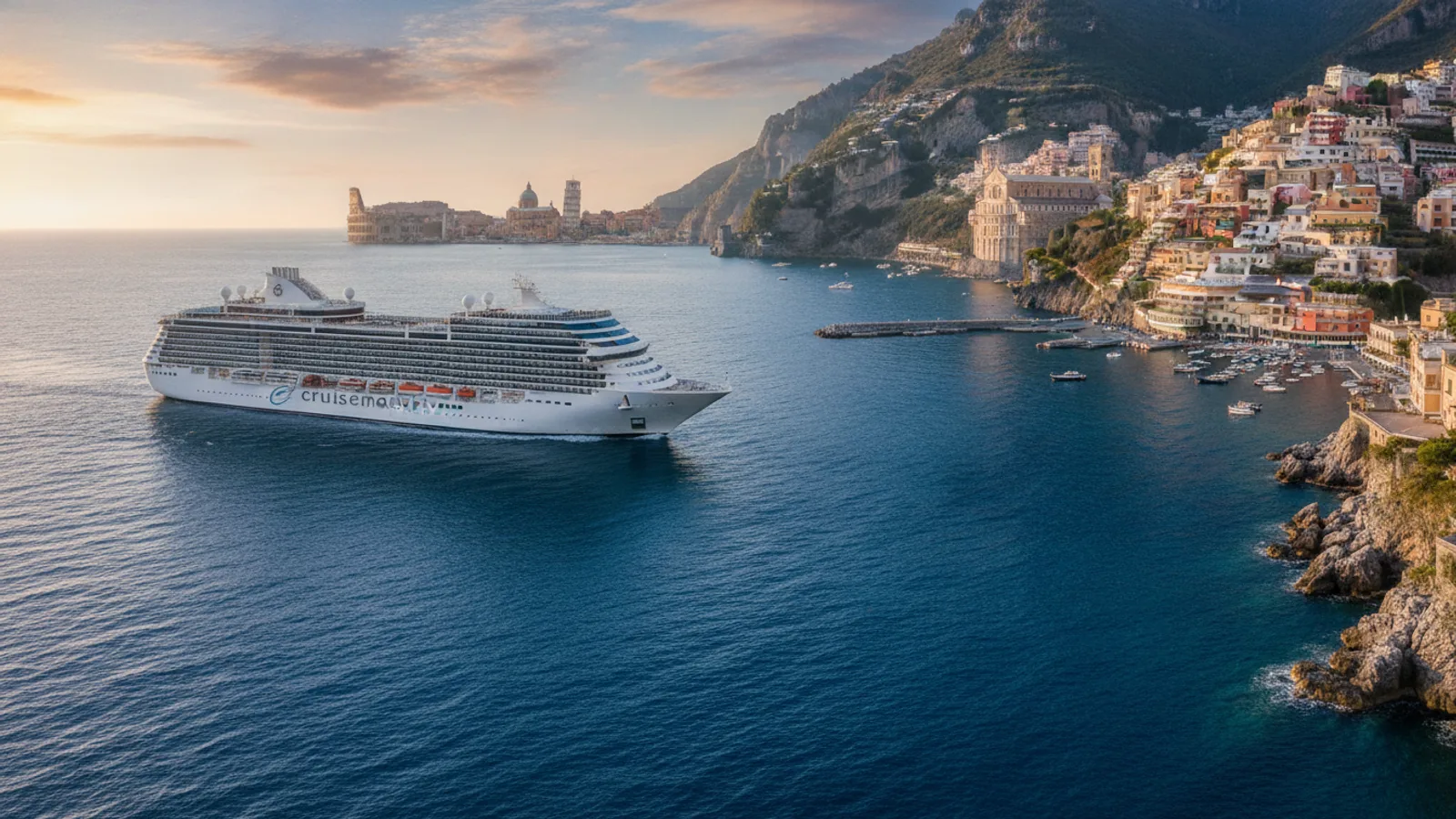
Best Places To Visit In Italy 2026
A practical roundup review of the best options for best places to visit in italy, with quick picks, comparison notes, mini reviews, buying advice, and FAQ.
Best Places To Visit In Italy 2026
Roundup review
For our 2026 guide, we analysed over 20 of Italy's most popular cruise destinations, comparing them on port accessibility, cultural significance, shore excursion value, and traveller feedback from thousands of UK cruisers. Factoring in the logistics of a typical port day, we found that Rome (via Civitavecchia) offers the most iconic and rewarding experience, making it our best overall place to visit in Italy on a cruise.
Quick Comparison
Rome
- Unmatched historical significance
- Bucket-list sights
- Excellent excursion options
Amalfi Coast
- Breathtaking coastal views
- Charming, colourful villages
- Ideal for boat tours
Florence
- Heart of the Renaissance
- World-class art galleries
- Compact, walkable city centre
Venice
- Truly unique canal city
- Incredibly romantic atmosphere
- No cars, purely exploration on foot
Sicily
- Stunning Greek & Roman ruins
- Authentic local culture
- Diverse landscapes from beaches to volcanoes
The Best Places To Visit In Italy
- Rome - Best Overall
- Amalfi Coast - Best for Scenery
- Florence - Best for Art & Culture
- Venice - Best for Romance
- Sicily - Best for Ancient History
Rome (from Civitavecchia)
For its sheer density of world-changing history and bucket-list icons, Rome is the undisputed champion for a cruise visit to Italy. While the journey from the port of Civitavecchia requires planning, the reward is a day spent amongst millennia of history, from the Colosseum's gladiatorial grandeur to the Vatican's spiritual artistry. No other port of call offers this level of cultural impact. It's a long, intense day, but for first-time visitors to Italy, it's an essential and unforgettable experience.
Pros
- Home to iconic landmarks like the Colosseum, Roman Forum, and Vatican City
- Incredible depth of history, art, and culture
- Wide variety of high-quality guided shore excursions available
- Relatively straightforward transport links (train or coach) from the port
Cons
- Requires a long transfer (60-90 minutes) from the port of Civitavecchia
- Can be overwhelming to see everything in a single day
- Major sights are extremely crowded, especially in summer
Amalfi Coast (from Naples or Sorrento)
If your vision of Italy involves pastel-hued villages tumbling down dramatic cliffs into a sparkling turquoise sea, the Amalfi Coast delivers in spades. Accessed from the bustling port of Naples or the smaller tender port of Sorrento, this stretch of coastline is a UNESCO World Heritage site for good reason. A day trip here, whether by ferry or a thrilling drive along the coastal road, offers some of the most spectacular scenery in Europe. It's less about ticking off museums and more about soaking in the glamorous, sun-drenched atmosphere of towns like Positano, Amalfi, and Ravello.
Pros
- Absolutely world-class, dramatic coastal scenery
- Picturesque and photogenic villages perfect for exploring
- Excellent opportunities for boat trips to appreciate the views from the water
- Offers a more relaxed, scenic alternative to city-based excursions
Cons
- Can be very crowded, with narrow roads and packed ferries in high season
- Travel between towns can be slow, limiting how much you can see
- Excursions can be expensive, especially private tours
Florence (from Livorno or La Spezia)
Florence is the cradle of the Renaissance, a city-sized museum packed with masterpieces. For art lovers and history buffs, a port day here is a pilgrimage. From the port of Livorno or La Spezia, a coach or train journey brings you into the heart of Tuscany and to the home of Michelangelo's David and Botticelli's Birth of Venus. The city's compact centre is wonderfully walkable, allowing you to move easily between the stunning Duomo, the Ponte Vecchio, and the world-famous Uffizi and Accademia galleries. It's a culturally enriching day that requires pre-booking and a clear plan to make the most of your time.
Pros
- Unrivalled collection of Renaissance art and architecture
- Home to must-see masterpieces like Michelangelo's David
- Compact, walkable city centre makes for easy exploration
- Beautiful Tuscan setting and fantastic food scene
Cons
- Long transfer time (over 90 minutes) from the main cruise ports
- Extremely long queues for major museums without pre-booked tickets
- Can feel like a "tick-box" exercise if you rush too much
Venice
There is simply nowhere else on earth like Venice. This floating city of canals, gondolas, and marble palaces is a marvel of engineering and a feast for the senses. While recent regulations have changed how large cruise ships visit (often docking at nearby ports like Ravenna or Trieste with transfers), the magic of arriving in St. Mark's Square remains undimmed. Getting lost in its labyrinth of narrow alleyways and discovering hidden squares is the main activity. It's an impossibly romantic and unique experience, though one that comes with significant crowds and premium prices. A day here feels like stepping into a painting.
Pros
- Completely unique and magical city built on water
- Incredibly romantic and atmospheric
- A joy to explore on foot, with no cars to worry about
- Iconic sights including St. Mark's Basilica and the Rialto Bridge
Cons
- Can be overwhelmingly crowded, particularly in peak season
- Very expensive for food, drinks, and attractions like gondola rides
- New cruise regulations mean longer transfers from alternative ports
Sicily (from Messina or Palermo)
As the largest island in the Mediterranean, Sicily offers a different flavour of Italy—one shaped by centuries of conquest by Greeks, Romans, Arabs, and Normans. This rich history is everywhere, from the spectacular Greek theatre at Taormina (a popular excursion from Messina) to the bustling markets of Palermo. Sicily feels more rugged and perhaps more authentic than the mainland. For cruisers interested in ancient history beyond Rome, the well-preserved ruins at Agrigento or Segesta are world-class. Add the looming presence of Mount Etna and a distinct culinary tradition, and you have a destination that rewards the curious traveller.
Pros
- Incredible variety of historical influences, especially ancient Greek sites
- Offers a more authentic, less-polished Italian experience
- Stunning natural landscapes, including Europe's most active volcano
- Excellent and distinct local cuisine
Cons
- The island is huge, so you can only see a small fraction on a port day
- Some areas can feel gritty and less developed than mainland Italy
- Requires a well-planned excursion to get the most out of your time
Buying Guide: How to Choose Your Perfect Italian Port of Call
Choosing the best places to visit in Italy on your cruise depends entirely on your interests, your itinerary, and your travel style. What's a dream port for one person might be a logistical headache for another. Here’s what to consider when planning your Italian adventure.
Analyse Your Travel Style
Before looking at maps, look inwards. What kind of traveller are you? Your answer will point you towards the right destination.
- The History Buff: Your choice is clear. Rome is paramount, offering an unparalleled journey through the ancient world and beyond. For a focus on Greek and Roman history, Sicily is a fantastic alternative.
- The Art Aficionado: Florence is your destination. No other city packs such a dense concentration of Renaissance masterpieces. A day spent in the Uffizi and Accademia is a day well spent.
- The Scenery Seeker: Head straight for the Amalfi Coast. The combination of dramatic cliffs, charming towns, and sparkling sea is unbeatable for pure visual splendour.
- The Romantic: Venice, despite its crowds, remains the ultimate destination for couples. A gondola ride and a walk through its timeless alleyways is a core romantic travel experience.
- The Foodie: While all of Italy offers great food, Sicily and the region around Naples (the birthplace of pizza) offer a more rustic, authentic, and often more affordable culinary experience.
Understand Your Cruise Itinerary and Port Logistics
Not all Italian ports are created equal. The location of the port in relation to the main attraction is a critical factor on a time-limited cruise day.
- Long Transfer Ports: Be aware that reaching Rome (from Civitavecchia) and Florence (from Livorno/La Spezia) involves a significant journey of 60-90 minutes each way. This eats into your exploration time. For these ports, a ship's excursion is often the safest bet to guarantee you'll be back on time.
- Ports of Arrival: Ports like Naples, Palermo, and Genoa place you right in or very near the city, allowing for easy independent exploration. Venice is unique, with new regulations often meaning a transfer is now required from a mainland port. - Tender vs. Docking: Some ports, like Sorrento or some stops in Cinque Terre, may require a tender (a small boat) to get from the ship to the shore. This can add time to your disembarkation process, so plan accordingly.
Consider the Time of Year
Your experience in Italy can vary dramatically depending on the season.
- Peak Season (June-August): Expect hot weather, bright sunshine, and major crowds at all top attractions. Prices will be at their highest. Book everything far in advance. It's essential to stay hydrated and be prepared for queues.
- Shoulder Season (April-May, September-October): This is often considered the sweet spot. The weather is pleasant, the crowds are more manageable, and you can enjoy the cities without the intense summer heat. This is an ideal time for a Mediterranean cruise.
- Off-Season (November-March): You'll find the fewest crowds and lowest prices, but the weather can be cool and rainy, especially in the north. Some attractions may have shorter hours, and the vibrant coastal atmosphere of places like the Amalfi Coast will be much quieter.
First-timer vs. Repeat Visitor
Your experience level with Italy should guide your choices.
- First-Timers: It's hard to argue against the 'big three': Rome, Florence, and Venice. They are famous for a reason and provide the quintessential Italian experience. If your itinerary includes them, they should be your priority.
- Repeat Visitors: If you've already seen the main sights, consider delving deeper. From Naples, explore the incredible ruins of Pompeii or Herculaneum. From Livorno, skip Florence and visit the charming towns of Lucca and Pisa. From Civitavecchia, consider exploring the lesser-known Etruscan ruins at Tarquinia instead of heading into Rome again.
Final Verdict: Best Places To Visit In Italy
After careful consideration of what makes a port day both memorable and manageable, Rome stands out as the best place to visit in Italy for the majority of cruise passengers, especially first-timers. Its monumental history and iconic sights provide a powerful travel experience that justifies the longer transfer time. It is the definitive Italian destination.
However, the 'best' is subjective. If breathtaking natural beauty is your priority, the Amalfi Coast is an unparalleled choice. For an immersion in the world's greatest art, nothing compares to Florence. Your perfect Italian port day is waiting—it simply requires matching your personal travel dreams with the practical realities of your cruise itinerary.
Best Places To Visit In Italy 2026 FAQ
What is the best month to cruise to Italy?
The best months for an Italian cruise are typically May, September, and early October. During these "shoulder season" months, you'll enjoy pleasant, warm weather without the intense heat and overwhelming crowds of July and August. The sea is also warm enough for swimming, and all attractions and restaurants are fully operational.
How much walking is involved in Italian port days?
A significant amount. Most historic centres in Italy are pedestrian-friendly and best explored on foot. Expect to walk several miles on cobblestone streets. Cities like Rome and Florence are very spread out. Even on a coach tour, you will do a lot of walking between sights. Comfortable, broken-in shoes are the single most important item to pack.
Can I visit these Italian cities on my own from the cruise port?
Yes, but with caution. For cities where the port is far from the main attractions (like Rome from Civitavecchia and Florence from Livorno), going independently carries risk. You must be confident in navigating public transport (usually trains) and managing your time meticulously to avoid missing the ship's departure. For ports where the city is adjacent (like Naples or Palermo), independent exploration is much easier and more common.
Are Florence and Rome manageable as day trips from a cruise?
Yes, they are the most popular excursions from their respective ports, but they make for a very long and busy day. You will not see everything. The key is to plan ahead. Prioritise 2-3 top sights, book tickets online in advance to skip queues, and consider a guided tour (either from the ship or a reputable third party) to handle the logistics and maximise your limited time.
What should I pack for a cruise to Italy?
Aside from your usual cruise wear, pack comfortable walking shoes, light layers of clothing, sun protection (hat, sunglasses, high-SPF sunscreen), and a reusable water bottle. For visiting churches, including St. Peter's Basilica in the Vatican, ensure you have clothing that covers your shoulders and knees to respect the dress code. A lightweight scarf or pashmina is perfect for this.